
The Secrets to the Perfect Ribeye Steaks Recipe: Steakhouse Quality at Home
There is a specific sound that defines a great meal: the aggressive, rhythmic sizzle of a marbled steak hitting a hot cast-iron surface. It’s a sound that promises a transformation from a simple cut of meat into something buttery, savory, and deeply satisfying. For years, I thought that level of perfection—that dark, salty crust and the tender, ruby-red center—was reserved for high-end steakhouses with thousand-degree broilers.
I was wrong. The Perfect Ribeye Steaks Recipe isn’t about expensive industrial equipment; it’s about patience and respect for the ingredient. When you let a thick ribeye come to room temperature and hit it with just the right amount of heat, the fat renders into a velvety richness that coats every bite. It’s a sensory experience that starts with the aroma of toasted garlic and ends with a meal that lingers in your memory long after the plates are cleared.
Why You’ll Love This
Steakhouse Quality at Home: You get that iconic charred crust and juicy interior without the triple-digit price tag.
Foolproof Technique: Whether you prefer the smoky char of the grill or the controlled sear of a cast-iron pan, this method works every time.
Minimalist Prep: We let the natural beefy flavor of the ribeye shine with simple, high-impact seasonings.
Customizable Doneness: Clear temperature guides ensure you never have to guess when your steak is ready.
A few summers ago, I hosted a dinner for a close friend who swore she “wasn’t a steak person.” She usually found beef too chewy or ironically flavorless. I used this exact ribeye method, basting the meat in foaming herbed butter right at the finish. After one bite of the tender, melt-in-your-mouth center, she didn’t just finish her portion—she asked for the leftovers. It turns out she didn’t dislike steak; she just hadn’t had one cooked with enough love and high heat.
What Makes It Special
The Ribeye Cut: Known for its heavy marbling, this cut provides the most flavor and a tender, juicy texture that leaner cuts can’t match.
High-Quality Fats: Using olive oil for the sear and finishing with butter creates a layered richness and a golden-brown finish.
Temperature Tempering: Taking the chill off the meat before it hits the heat ensures even cooking from edge to edge.
Aromatics: Simple salt and pepper or a robust steak seasoning enhance the natural umami of the beef.
Making It Happen
The process begins long before the heat is turned on. You’ll want to pull your ribeyes out of the refrigerator about 45 minutes early. This allows the muscle fibers to relax, ensuring the heat can penetrate evenly rather than fighting a cold center.
Once the steaks have lost their chill, pat them bone-dry with a paper towel. This is the secret to a great crust—moisture is the enemy of a sear. Rub the meat with a light coating of oil and season it generously. Don’t be shy; a thick steak needs a good amount of salt to penetrate the interior.
If you’re grilling, you’re looking for that medium heat where the flames lick the grates but don’t scorch the meat instantly. For the stovetop method, get your cast-iron pan screaming hot. You want to see a thin wisp of smoke before the steak goes in. Once the meat hits the pan, leave it alone. Let that deep, mahogany crust develop for a few minutes before flipping.
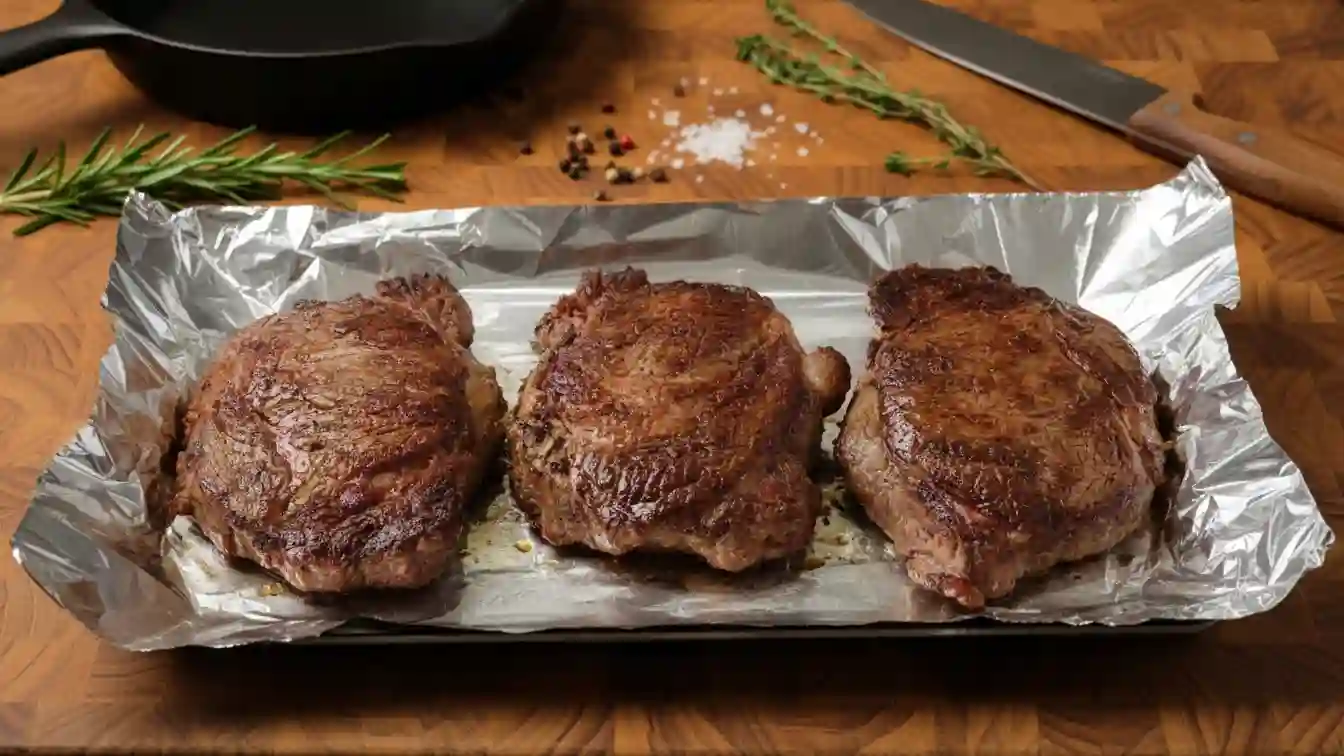
The final, most critical movement is the rest. As the steak sits under a loose tent of foil, the juices—which were pushed to the center by the heat—redistribute throughout the meat. This ensures that when you finally slice into it, the juices stay in the steak rather than running all over your cutting board.
You Must Know
Dryness is Key: Always pat your steaks dry before seasoning. Any surface moisture will steam the meat rather than sear it.
The “Carryover” Effect: Meat continues to cook after you remove it from the heat. Pull it 5 degrees before your target temperature.
Use a Meat Thermometer: Visual cues can be deceiving. A digital thermometer is the only way to guarantee a perfect medium-rare.
Season Heavily: A significant amount of seasoning falls off during the cooking process, so be bold with your salt and pepper.
Serving Ideas
This ribeye is a powerhouse, so it pairs beautifully with sides that offer a bit of acidity or creaminess. Consider serving it alongside:
Sides: Garlic mashed potatoes, grilled asparagus with lemon zest, or a crisp wedge salad with blue cheese dressing.
Drink Pairings: A bold Cabernet Sauvignon or a malty Stout stands up well to the richness of the fat. For a non-alcoholic option, a sparkling pomegranate juice offers a nice acidic counterpoint.
Make It Different
Herb-Infused: Add crushed garlic cloves and fresh rosemary sprigs to the pan during the final two minutes of cooking.
Spicy Rub: Swap standard seasoning for a coffee-based rub or a dash of chipotle powder for a smoky kick.
Dairy-Free: Use a high-quality vegan butter or simply stick to a finishing drizzle of extra virgin olive oil.
Storage and Reheating
If you have leftovers (which is rare!), wrap the steak tightly in foil and keep it in the fridge for up to three days. To reheat without turning the meat gray and rubbery, place it in a 250°F oven until it reaches an internal temperature of 110°F, then give it a quick 30-second flash-sear in a hot pan to crisp up the edges.
Success Tips
The best steaks come from the best sourcing. Look for “Prime” or “Choice” grades with plenty of white flecks (marbling) throughout the red muscle. Also, don’t be afraid of the smoke—searing a steak at high heat will create some smoke in the kitchen, but that’s the price of a world-class crust. Turn on your fan and enjoy the process!
Frequently Asked Questions
How do I know when to flip the steak?
The steak will naturally release from the pan or grill grate once a proper crust has formed. If it’s sticking, give it another 30 seconds.
Can I use a non-stick pan?
It is not recommended. Non-stick pans aren’t designed for the high heat required for a proper sear and won’t produce the same crust as cast iron or stainless steel.
Should I cut the fat off the edges?
No! That fat renders down and provides the flavor and moisture that makes a ribeye special. You can trim very large chunks if preferred, but keep most of it intact.
What if my steak is thicker than one inch?
Thicker steaks will require a few extra minutes in the oven or on the cooler side of the grill. Always rely on your internal thermometer rather than the clock.
Why do I need to add butter at the end?
Butter has a lower smoke point than oil, so we add it at the end to provide a nutty, creamy finish and to help baste the steak in its own juices.
Recipe Card: Perfect Ribeye Steaks
Prep time: 45 minutes (includes tempering)
Cook time: 15 minutes
Total time: 1 hour
Servings: 2
Category: Main Course
Difficulty: Medium
Cuisine: American
Yield: 2 Steaks
Equipment
Cast-iron skillet (or outdoor grill)
Meat thermometer
Tongs
Aluminum foil
Ingredients
▢ 2 ribeye steaks (1-inch thick)
▢ 2 tablespoons olive oil or vegetable oil
▢ 1 tablespoon steak seasoning or kosher salt & pepper, or to taste
▢ 2 tablespoons butter or herbed butter
Instructions
Preparation
Remove steaks from the fridge at least 45 minutes before cooking to allow them to reach room temperature.
Just before cooking, pat the steaks dry with paper towels. Rub with olive oil and generously season all sides.
Option 1: Grill Method
Preheat grill to medium-high heat (approximately 375°F).
Place steaks on the grill and cook for 5–6 minutes per side for medium-rare, or 6–7 minutes per side for medium.
Remove from the grill and top each with a pat of butter. Loosely tent with foil.
Rest steaks for 5–10 minutes before serving.
Option 2: Oven/Sear Method
Preheat the oven to 400°F.
Heat a large cast-iron pan on the stove over medium-high heat until very hot.
Add steaks and cook for 2 minutes per side to develop a deep brown crust.
Place the entire pan in the oven and roast for 11–14 minutes, or until the ribeyes reach your desired internal temperature.
Immediately remove steaks from the pan to a plate. Top with a pat of butter and loosely tent with foil.
Rest for 5–10 minutes before serving.
Notes
Seasoning: I typically use 1 tablespoon of seasoning per pound of meat. Adjust based on your preference for saltiness.
Resting: Do not skip the resting phase. It is the difference between a dry steak and a juicy one.
Cooking Times/Temperatures
Remove steaks from the heat about 5°F before they reach the target temperature.
Rare: 125°F
Medium-Rare: 135°F
Medium: 145°F (FDA Recommended)
Medium Well: 155°F
Well: 160°F
