
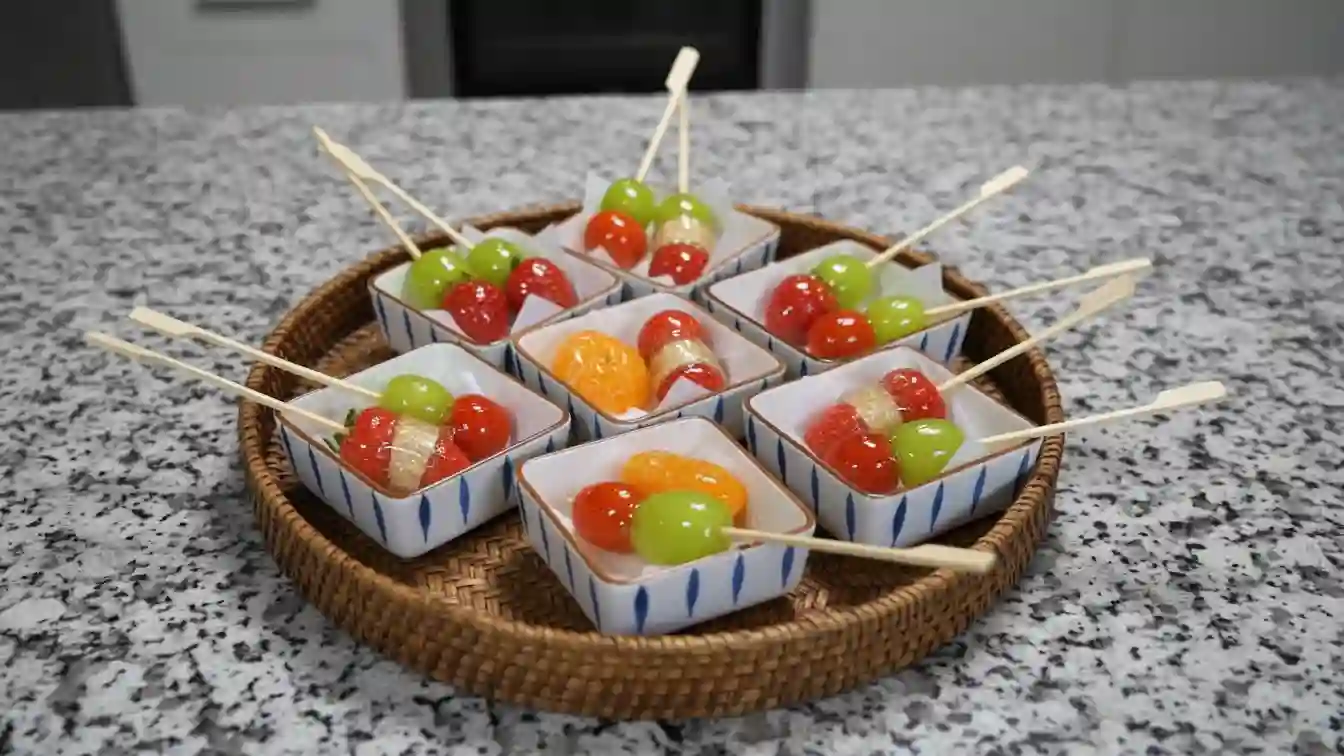
Homemade Tanghulu Recipe: The Ultimate Crunchy Candied Fruit Guide
There is a specific sound that makes this treat irresistible—a sharp, distinct crack that sounds like walking on thin ice, followed immediately by a burst of fresh, juicy fruit. That is the magic of Tanghulu. If you have scrolled through social media lately, you have likely seen these glistening, jewel-like skewers, but they are far more than just a viral trend. Originating from Northern China, this traditional snack transforms humble berries into a textural masterpiece. I remember the first time I attempted this at home; I was intimidated by the idea of boiling sugar. But once I saw that amber syrup coat a strawberry in a perfect, glass-like shell, I realized how deceptively simple it actually is. It is a recipe that relies on patience rather than skill, resulting in a treat that looks like it came from a high-end confectionery but tastes like the freshest summer day.
Why You’ll Love This
The Textural Contrast: There is nothing quite like the sensation of a brittle, crunchy sugar shell shattering against the soft, tender flesh of fresh fruit. It is an incredibly satisfying eating experience.
Pantry Staples Only: You do not need exotic additives or hard-to-find components. If you have sugar, water, and fruit, you are already halfway there.
A “Healthyish” Treat: Because the layer of candy is paper-thin, you are mostly eating fresh fruit. It is an excellent way to get kids (and adults) excited about eating nature’s candy.
Visually Stunning: The high-gloss finish makes the fruit look like polished gemstones. They are perfect for impressing guests at parties or adding a pop of color to a dessert table.
The Skeptic’s Taste Test
I have a close friend who generally dislikes sweets, claiming they are usually too cloying or “fake” tasting. When I invited her over for a recipe testing session, she eyed the pot of bubbling sugar with deep suspicion. I handed her a skewer featuring a tart green grape encased in the clear candy shell. She hesitated, took a bite, and her entire expression shifted. Because the fruit inside remains raw and tart, it cuts right through the sweetness of the sugar coating. She finished three skewers before I could even get the rest plated. It is that balance—the interplay between the acidic brightness of the fruit and the simple sweetness of the shell—that converts even the pickiest eaters.
What Makes It Special
Fresh Fruit: This is the star of the show. Whether you choose strawberries, grapes, or hawthorn berries, the fruit provides essential vitamins and a refreshing juice that balances the sugar.
Granulated Sugar: When melted correctly, standard white sugar creates a clear, neutral glass that creates the crunch without overpowering the fruit’s natural flavor.
Water: It acts as the vehicle to dissolve the sugar, allowing it to reach the “hard crack” stage necessary for that signature snap.
Making It Happen
The process begins with preparation, which is the most critical part of this entire recipe. You need to wash your fruit thoroughly, but then you must dry it with obsessive care. Any lingering water droplets on the skin of the berry will prevent the sugar from sticking, causing it to slide right off. Once your fruit is bone-dry, skewer them. I suggest putting only two or three berries on a stick so they fit easily into your pot for dipping.
Next, you will combine the sugar and water in a saucepan over medium heat. This is the part that requires patience and a hands-off approach. You want to bring the mixture to a boil, but you must not stir it. Stirring introduces air and encourages crystallization, which turns the syrup cloudy and gritty instead of clear and glass-like. Watch your candy thermometer closely. You are looking for the “hard crack” stage. While technically 300°F, you should start testing or turn the heat down slightly once it hits 275°F because the temperature climbs rapidly at the end.
Once the sugar is ready, tilt the pot carefully to create a deep pool of syrup. Take a skewer and dip it in, rotating it once quickly to coat the fruit, and then pull it out immediately. Speed is everything here. Let the excess sugar drip off for a second, then lay it on a silicone mat or wax paper. The sugar will harden almost instantly, locking in the juices and creating that famous crunch.
You Must Know
Dryness is Non-Negotiable: If your fruit is even slightly damp, the sugar syrup will seize or slide off. Pat them down with paper towels and let them air dry for a few minutes before dipping.
Respect the Heat: Boiling sugar is significantly hotter than boiling water and sticks to the skin. Keep a bowl of ice water nearby for safety, and be extremely cautious during the dipping process.
The Tap Test: If you don’t have a thermometer, dip a chopstick into the syrup and immediately dunk it into ice water. If the sugar drop turns hard and snaps cleanly when you bite it, it’s ready. If it’s chewy or sticks to your teeth, it needs more time.
Work in Small Batches: The sugar syrup thickens and cools relatively quickly once you take it off the heat. Dip your skewers one by one, but move with purpose.
Serving Ideas
Tanghulu is best enjoyed as a standalone snack because of its unique texture, but it pairs beautifully with beverages that cleanse the palate. A hot cup of unsweetened Jasmine or Green Tea is the traditional accompaniment; the bitterness of the tea cuts through the sweetness of the candy shell. For a modern twist, serve these alongside a glass of sparkling water with a squeeze of lime. If you are serving this as part of a larger spread, it works well as a light finish after a savory meal like dumplings or noodle soup.
Make It Different
Fruit Variations: While strawberries are the classic choice, don’t limit yourself. Green grapes, mandarin orange segments, kiwi slices, and even cherry tomatoes work wonderfully. The key is using fruit that isn’t too watery on the outside.
Sesame Sprinkle: For a nutty undertone, you can sprinkle toasted sesame seeds onto the hot sugar coating immediately after dipping, before it hardens.
Spicy Kick: It sounds unusual, but a tiny pinch of chili flakes on the outside of a candied pineapple chunk creates a fascinating sweet-heat profile.
Glassy Nuts: You can use the same sugar syrup to coat walnuts or pecans for a crunchy salad topper or snack.
Storage and Reheating
Here is the hard truth about Tanghulu: it does not like humidity and it does not like time. This is a dish meant to be eaten within an hour of making it. If you live in a humid climate, the sugar coating can start to become sticky and “weep” within 30 minutes. Do not refrigerate them; the moisture in the fridge will cause the candy shell to melt and turn into a sticky mess. If you absolutely must keep them for a few hours, store them in a single layer in an airtight container with silica gel packets to absorb moisture, but fresh is always best.
Success Tips
Use a Heavy-Bottomed Pot: This ensures the sugar heats evenly and prevents “hot spots” where the sugar might burn before the rest of the mixture reaches the right temperature.
The Ice Water Trick: Some people prepare an ice bath to dip the fruit into immediately after the sugar. This sets the candy instantly. However, if you dip it for too long, the water will dissolve the sugar. A quick one-second dunk is all you need if you choose this method.
Silicone over Parchment: A silicone baking mat (Silpat) is superior to parchment paper for this recipe. The candied fruit releases effortlessly from silicone, whereas it can sometimes stick to paper if the syrup runs.
Frequently Asked Questions
- Why is my sugar coating sticky and sticking to my teeth?
This usually means the sugar syrup didn’t reach the “hard crack” stage (300°F). If the temperature was too low, the sugar remains at the “soft crack” stage, which is chewy rather than crunchy.
- Can I use frozen fruit?
No, frozen fruit releases too much water as it thaws. This moisture will ruin the sugar coating and prevent it from adhering to the fruit. Always use fresh, firm fruit.
- How do I clean the hardened sugar out of the pot?
Don’t scrub! simply fill the pot with water and boil it on the stove for 5–10 minutes. The hot water will dissolve the hard sugar completely, making it easy to wipe clean.
- Can I use honey or maple syrup instead of white sugar?
It is not recommended for traditional Tanghulu. Honey and maple syrup have different water contents and burning points, making it very difficult to achieve that clear, hard glass shell without burning.
- Is this safe for young children?
While delicious, the sugar coating creates a very hard, sharp shell. Be careful with very young children as the hardened sugar can have sharp edges, and the grapes/berries can be choking hazards. It is best to supervise or slice the fruit before serving to little ones.
Tanghulu (Chinese Candied Fruit) Recipe
Prep time: 15 minutes
Cook time: 15 minutes
Total time: 30 minutes
Servings: 6 skewers
Category: Dessert/Snack
Difficulty: Medium
Cuisine: Chinese
Yield: 6-8 skewers
Equipment: Heavy-bottomed pot, candy thermometer (optional but recommended), bamboo skewers, baking sheet, silicone mat or wax paper.
Ingredients
2 cups granulated sugar
1 cup water
1 pound berries or other fruit (strawberries, grapes, etc.)
Ice cold water (optional)
Instructions
Prepare the Fruit: Wash your fruit thoroughly. Dry the fruit completely using paper towels. This is the most important step; the fruit must be bone-dry for the sugar coating to adhere properly. If using strawberries, you can leave the green tops on for a handle, or hull them.
Skewer: Skewer the fruit onto bamboo sticks. Only add as many pieces as you can easily dip into the depth of your pot (usually 2 to 3 berries per stick).
Boil the Syrup: Add the sugar and water to your pot. Turn the heat to medium. Allow the mixture to come to a boil. Do not stir the mixture. Stirring causes crystallization.
Monitor Temperature: Heat until the candy thermometer reaches 275°F. The “hard crack” stage is officially 300°F, but the temperature rises very fast at the end. Begin testing or watching closely at 275°F to account for variance in your thermometer. This process usually takes about 10 minutes. Be careful not to overheat, as the syrup will turn amber and taste bitter.
Dip: When the sugar reaches the desired temperature (hard crack stage), turn the heat down to low to prevent burning but keep the syrup liquid. Tilt the pot to pool the syrup. Working quickly, dip one fruit skewer into the sugar mixture, rotate it once gently to coat, and pull it out.
Cool: Allow excess sugar to drip off for a second, then set the skewer on your prepared wax paper or silicone mat. The sugar coating should harden almost immediately into a glass-like shell.
Notes
No Thermometer Test: To check the hard candy stage without a thermometer, dip a wooden skewer in the sugar and then dip it immediately into a glass of cold water. Bite the sugar drop; if it cracks and crunches, it is ready. If it sticks to your teeth, keep boiling.
Coloring: When making strawberry Tanghulu, street vendors often add a few drops of red food coloring to the syrup for a deeper, more vibrant look. This is optional.
Surface: I highly recommend a silicone mat (Silpat) for cooling. Wax paper works well, but parchment paper can sometimes stick to the candy.
Ice Bath Method: Some recipes call for dipping the hot candy into a glass of ice water immediately after the sugar dip. You can do this if you find the candy is taking too long to set, but a quick dip is all that is needed.
Cleanup: To clean the pot, fill it with water and boil it until the hardened sugar dissolves.
Nutrition
Serving: 1 skewer | Calories: 180kcal | Carbohydrates: 46g | Fat: 0g | Sodium: 1mg | Sugar: 45g
