
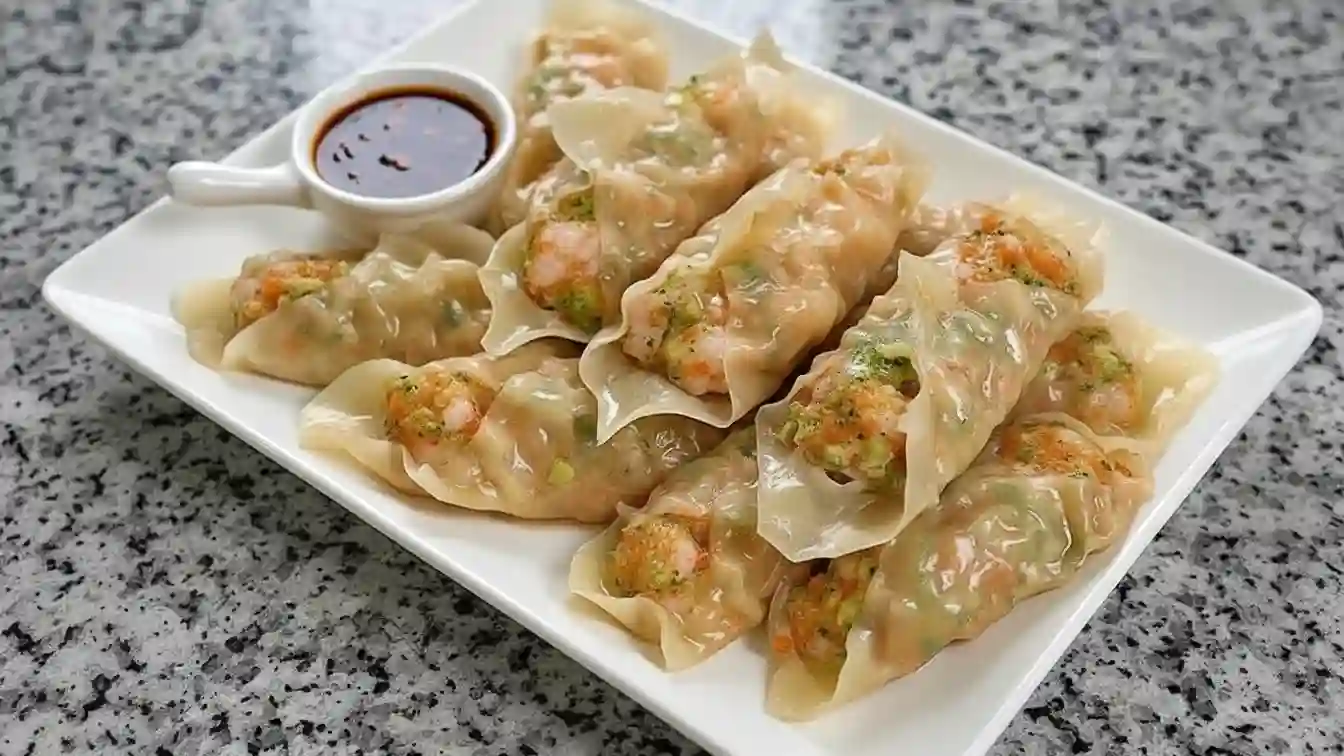
Easy Steamed Rice Paper Shrimp Dumplings: The Ultimate 20-Minute Dim Sum
The kitchen fills with a delicate, nutty aroma the moment the bamboo steamer lid is lifted, revealing a tray of translucent, pearlescent gems. If you have ever sat in a crowded dim sum parlor, watching the carts roll by, you know the anticipation of spotting those crystal-clear shrimp dumplings. There is something incredibly satisfying about the contrast between the tender, slightly chewy exterior and the snappy, savory filling inside. This recipe for Steamed Rice Paper Shrimp Dumplings brings that high-end experience into your own kitchen without the intimidation of traditional dough-making. Using rice paper is a brilliant shortcut that results in a light, elegant bite that feels both modern and deeply authentic.
Why You’ll Love This
The texture is a dream, offering a satisfying snap from the fresh shrimp tucked inside a soft, delicate wrapper.
It is a naturally lighter alternative to heavy, dough-based dumplings, making it the perfect appetizer or light lunch that won’t leave you feeling weighed down.
The preparation is remarkably fast, allowing you to go from a craving to a full plate of steaming dumplings in about twenty minutes.
It looks sophisticated enough for a dinner party but is simple enough for a Tuesday night experiment in the kitchen.
My youngest cousin is notoriously difficult to feed, usually sticking to a strict diet of plain pasta and bread. Anything that looks “different” or has a visible vegetable is usually met with a polite but firm rejection. When I first made these Steamed Rice Paper Shrimp Dumplings, I didn’t expect him to even try one. However, the translucent skin piqued his curiosity. He took one skeptical bite, paused, and then immediately reached for three more. He loved that they weren’t “doughy” and that the shrimp remained juicy and sweet. It was the first time I saw a “picky eater” get genuinely excited about a dish that wasn’t beige, proving that good texture and clean flavors can win over anyone.
What Makes It Special
Fresh Shrimp: This is the heart of the dish, providing a natural sweetness and a firm, snappy texture that anchors the dumpling.
Bamboo Shoots: These provide a subtle, earthy crunch that breaks up the softness of the shrimp and the wrapper.
Toasted Sesame Oil: Just a few drops add a rich, aromatic depth that lingers on the palate.
Rice Paper Wrappers: By layering and hydrating these, you create a unique, chewy “skin” that mimics professional har gow without the need for specialized flour blends.
Aromatic Ginger: Freshly minced ginger cuts through the richness of the shrimp, providing a bright, zingy finish to every bite.
Making It Happen
The process begins by treating your ingredients with care. Start by patting the shrimp completely dry—this ensures the filling stays firm rather than watery. Give them a rough chop so you still have identifiable pieces of shrimp for that signature “snap.” In a small bowl, you will toss the shrimp with the bamboo shoots, oyster sauce, sesame oil, ginger, and corn starch. A pinch of white pepper adds a gentle heat that glows in the back of the throat. This mixture becomes the savory soul of your dumpling.
Moving to the wrappers, you will take two sheets of rice paper and cut them into quarters. Arrange them so the corners meet in the center, forming a smaller, reinforced circle. A quick dip in warm water transforms the rigid paper into a pliable, silky membrane. Once it’s soft, place a teaspoon or two of that shrimp mixture right in the center. The folding is the artistic part: gather the edges toward the top, creating small pleats as you go to seal the bundle.
Finally, place them into a bamboo steamer. As they steam for nine minutes, the shrimp turns a beautiful pink through the clear skin. The most important part of the journey is the rest. Let them sit for a few minutes after you take them off the heat. This allows the rice paper to set and toughen up just enough so they don’t tear when you pick them up with your chopsticks.
You Must Know
Always use warm water, not boiling, to hydrate the rice paper; boiling water will make the paper too sticky and difficult to manage.
Don’t overfill the dumplings, as the rice paper can stretch and tear if there is too much pressure from the filling during the steaming process.
Lightly grease your steamer liner or use perforated parchment paper to prevent the delicate skins from sticking to the bottom.
Serving Ideas
These dumplings are best served immediately while the steam is still rising from the basket. Arrange them on a flat ceramic platter and serve with the signature dipping sauce made of soy sauce, sugar, and a generous swirl of chili oil. For a complete meal, pair them with a side of stir-fried bok choy or a light smashed cucumber salad. If you are looking for a drink pairing, a crisp Jasmine green tea or a dry Riesling complements the seafood and sesame notes beautifully.
Make It Different
Vegetarian Option: Swap the shrimp for finely chopped king oyster mushrooms and firm tofu to maintain a meaty texture.
Extra Heat: Add a teaspoon of sambal oelek or finely minced Thai bird’s eye chilies directly into the shrimp filling.
Gluten-Free: Ensure you use a certified gluten-free oyster sauce and swap the soy sauce in the dip for tamari.
Flavor Boost: Add finely chopped chives or cilantro to the filling for a fresh, herbal note.
Storage and Reheating
These dumplings are at their absolute peak right after steaming. If you do have leftovers, store them in an airtight container with a little space between each dumpling so they don’t fuse together. To reheat, it is best to steam them again for 2 to 3 minutes until warmed through. Microwave reheating is not recommended, as it tends to make the rice paper tough and rubbery.
Success Tips
Chop by hand: Avoid using a food processor for the shrimp; hand-chopping ensures you get the perfect chunky texture rather than a paste.
The Double Layer: Using two layers of rice paper is the secret to a dumpling that holds its shape and doesn’t dissolve in the steamer.
Patience is Key: Letting the dumplings rest for those 3 minutes after steaming is the difference between a successful meal and a sticky mess.
Frequently Asked Questions
Can I use frozen shrimp?
Yes, just ensure they are completely thawed and patted dry with paper towels to remove any excess moisture before chopping.
Why did my rice paper tear?
This usually happens if the paper was soaked for too long or if the dumplings were moved while they were still piping hot. Let them rest to firm up.
Can I pan-fry these instead of steaming?
While these are designed to be soft and steamed, you can do a “potsticker” style by steaming them first and then quickly searing the bottoms in a non-stick pan with a tiny bit of oil.
What if I don’t have a bamboo steamer?
You can use a metal steamer basket or even a colander placed over a pot of boiling water, as long as you can cover it with a lid to trap the steam.
How do I keep the dumplings from sticking together?
Make sure they are not touching each other in the steamer basket. Space them out at least half an inch apart.
Steamed Rice Paper Shrimp Dumplings
Prep time: 15 minutes
Cook time: 9 minutes
Total time: 24 minutes
Servings: 2-3
Category: Appetizer / Dim Sum
Difficulty: Medium
Cuisine: Asian-Fusion
Yield: 8 dumplings
Equipment: Bamboo steamer or steamer basket, mixing bowl, sharp knife, parchment paper.
Ingredients
Dumplings
6 oz. raw peeled, de-veined shrimp
3 tablespoon bamboo shoots, thinly sliced
1 teaspoon oyster sauce
½ teaspoon sesame oil
½ teaspoon minced ginger
1 teaspoon corn starch
Pinch of salt
Pinch of white pepper
8 sheets rice paper
Dipping Sauce
3 tablespoon soy sauce
2 teaspoon granulated sugar
1 teaspoon chili oil
Sesame seeds for garnish
Instructions
Pat the shrimp dry with a paper towel then roughly chop them. Add the bamboo shoots, oyster sauce, sesame oil, minced ginger, corn starch, and a pinch of salt and pepper. Mix thoroughly until the ingredients are well combined and the mixture feels slightly tacky.
Take two pieces of rice paper and cut them in half, then half again. Arrange these pieces so that the corners meet in the middle, creating a reinforced, layered circle. Quickly dip this assembled circle into warm water just until it becomes pliable.
Once the rice paper is soft and workable, place 1 to 2 teaspoons of the shrimp mixture in the very center. Gently fold the edges together from the bottom to the top, creating small pleats as you gather the paper to seal the top into a little bundle.
Line your steamer with perforated parchment paper. Steam the dumplings in the bamboo basket for 9 minutes, or until the shrimp filling is opaque and pink.
Remove from the heat and let the dumplings rest for 3 to 5 minutes. This cooling period allows the skin to firm up.
Whisk together the soy sauce, sugar, and chili oil in a small bowl. Garnish with sesame seeds and serve alongside the warm dumplings.
Nutrition
These dumplings are high in protein and relatively low in fat. For a standard serving of 4 dumplings, you can expect approximately 180-220 calories, depending on the specific brands of sauces used.
