
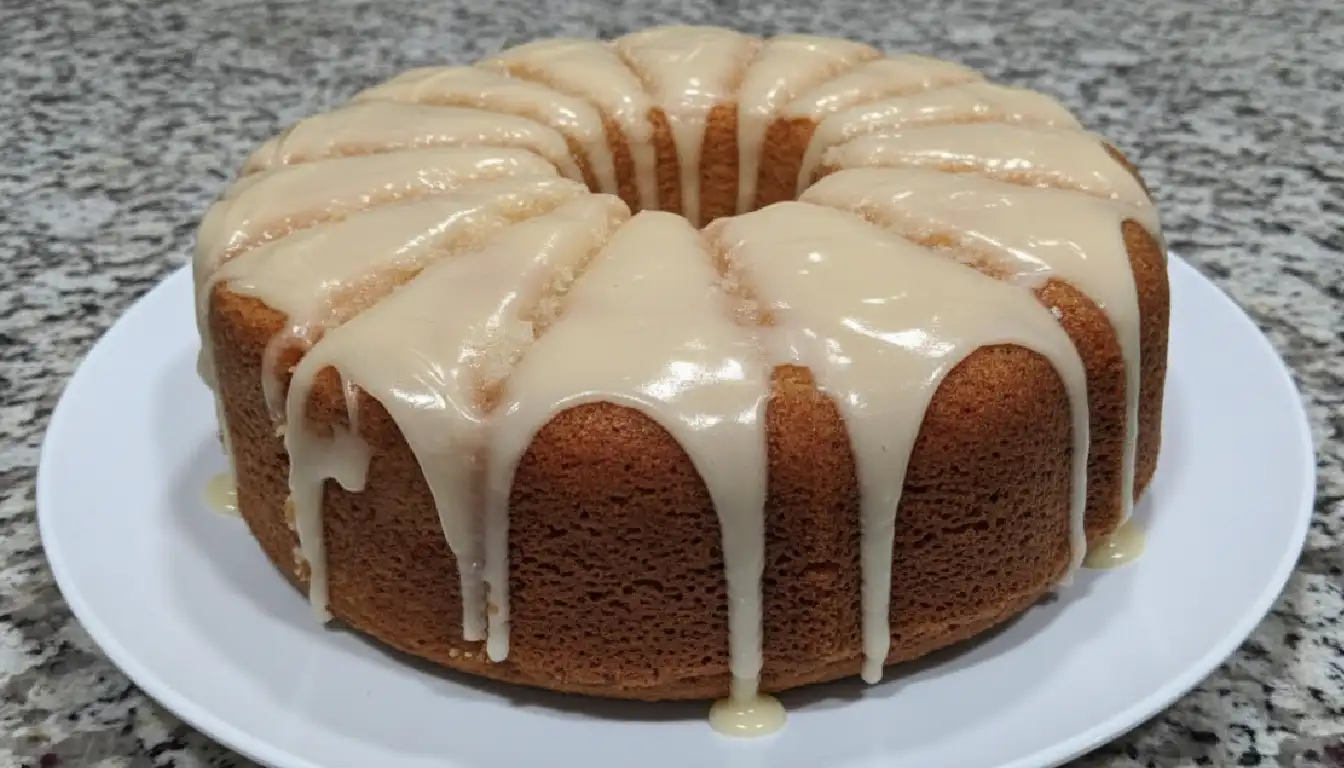
The Best Lemon Cream Cheese Pound Cake Recipe: Moist, Zesty, and Perfectly Dense
There is a specific kind of magic that happens in a kitchen when butter, sugar, and fresh citrus come together. It starts with the sharp, clean scent of lemon zest hitting the air and ends with the comforting weight of a golden, Bundt-style cake cooling on the counter. This Lemon Cream Cheese Pound Cake Recipe isn’t just another dessert; it is the result of years spent trying to find that perfect balance between a tight, velvety crumb and a bright, punchy flavor. Unlike standard sponges, this cake has a rich, buttery density that feels substantial yet melts the moment it hits your tongue. Whether it’s a bright spring morning or a rainy afternoon that needs a bit of sunshine, this recipe is the one I find myself returning to time and time again.
Why You’ll Love This
The inclusion of cream cheese creates a tight, velvety crumb that stays incredibly moist for days, unlike traditional butter-only cakes.
By rubbing the lemon zest into the sugar, we release the essential oils, ensuring every single bite is infused with deep citrus flavor.
It is a true “showstopper” dessert that looks sophisticated in a Bundt pan but requires very basic pantry staples.
The simple lemon syrup soak adds a professional, tart finish that cuts through the richness of the butter.
My father-in-law is a man of few words and even fewer dessert preferences—usually, if it isn’t a dark chocolate brownie, he isn’t interested. I brought this lemon cream cheese pound cake to a family dinner last summer, fully expecting him to pass it over. Instead, I watched him finish a thick slice, look at the plate, and quietly ask if there was enough for seconds. He told me it reminded him of the pound cakes his grandmother used to make, but “somehow smoother.” When a “chocolate-only” person asks for a second helping of a fruit-based cake, you know you’ve found a winner.
What Makes It Special
Full-Fat Cream Cheese: This is the secret to the cake’s signature texture. It adds a subtle tang and a level of moisture that prevents the cake from becoming crumbly.
Fresh Lemon Zest: Using the zest of four full lemons provides a natural, aromatic brightness that bottled extracts simply cannot replicate.
The Creaming Method: Beating the butter, cream cheese, and citrus sugar for a full three minutes builds the air pockets needed for a lift without using chemical leaveners.
Six Large Eggs: These provide the structural integrity and the rich, golden hue that defines a classic pound cake.
Triple-Threat Lemon: Between the zest, the juice, and the finishing syrup, the lemon flavor is layered for maximum impact.
Making It Happen
The process begins with a little patience. You’ll want to preheat your oven to 325°F and take the time to grease and flour your 10-inch Bundt pan meticulously; there is nothing more heartbreaking than a beautiful cake sticking to the mold. Start by creaming your room-temperature butter and cream cheese together until they are one cohesive, smooth mixture. In a separate small bowl, use your fingertips to massage the lemon zest into the sugar. You’ll know it’s ready when the sugar looks like damp sand and smells incredibly fragrant. Gradually add this citrus sugar to your butter mixture, beating it on medium speed until the whole bowl looks light and fluffy.
Next, incorporate your eggs two at a time. This slow addition ensures the emulsion doesn’t break. Once the eggs are in, add your flour all at once, mixing just until the white streaks disappear. Finally, stir in the vanilla, lemon juice, and the optional lemon extract for that extra punch. Pour the thick, glossy batter into your prepared pan and smooth the top. It goes into the oven for about 85 to 90 minutes. While the cake bakes and fills your house with a buttery aroma, simmer your sugar, water, and lemon juice on the stove to create a thin syrup. As soon as the cake comes out of the oven and is still warm to the touch, brush that syrup all over the surface. It will soak in, creating a slightly tacky, intensely flavorful crust.
You Must Know
Always use room temperature ingredients; cold cream cheese or eggs will cause the batter to break and result in a heavy, uneven bake.
Don’t overmix the batter once the flour is added, as this develops too much gluten and makes the cake tough rather than tender.
Check the cake at the 60-minute mark; if the top is browning too quickly, loosely tent it with aluminum foil for the remainder of the bake time.
Let the cake cool in the pan for exactly 10 minutes before flipping it; any longer and the sugar in the cake may cause it to stick as it cools.
Serving Ideas
This cake is substantial enough to stand on its own, but a dollop of softly whipped cream and a handful of macerated raspberries or blueberries take it to the next level. For a drink pairing, a hot cup of Earl Grey tea complements the bergamot and citrus notes perfectly. If you are serving this as an after-dinner treat, a glass of chilled Limoncello or a crisp Prosecco provides a refreshing contrast to the buttery crumb.
Make It Different
If you want to shake things up, try swapping the lemon juice and zest for Meyer lemons for a sweeter, more floral profile. For those who love a bit of crunch, you can add a half-cup of poppy seeds to the batter during the final mixing stage. If you prefer a thicker topping, skip the syrup and whisk together powdered sugar and lemon juice to create a thick, white opaque glaze that drips down the sides of the cake once it has completely cooled.
Storage and Reheating
This lemon cream cheese pound cake actually tastes better on the second day as the flavors have time to meld. Store it in an airtight container at room temperature for up to three days. If you want it to last longer, you can keep it in the refrigerator for up to a week, though you should let it come to room temperature before serving to restore the soft texture of the butter. This cake also freezes beautifully; wrap individual slices in plastic wrap and foil, and they will stay fresh for up to three months.
Success Tips
To ensure the best results, I highly recommend weighing your flour with a kitchen scale if you have one. If not, use the “spoon and level” method to avoid packing too much flour into the measuring cup. Additionally, make sure your cream cheese is the brick variety, not the whipped spreadable kind found in tubs, as the water content is different and will affect the rise of the cake.
Frequently Asked Questions
Can I use bottled lemon juice instead of fresh?
In a pinch, yes, but fresh is highly recommended. Bottled juice can have a metallic aftertaste, and since this recipe relies heavily on lemon flavor, fresh juice and zest make a noticeable difference.
Why did my pound cake sink in the middle?
This usually happens if the cake is underbaked or if the oven door was opened too early and too often, causing a temperature drop. Ensure a toothpick comes out completely clean before removing it from the oven.
Can I make this in loaf pans instead of a Bundt pan?
Yes, this recipe will fit into two standard 9×5 inch loaf pans. You will need to reduce the baking time to approximately 50 to 60 minutes.
Do I really need to rub the zest into the sugar?
Technically no, but it is the best way to extract the oils from the lemon skin. It results in a much more vibrant flavor than just tossing the zest into the batter at the end.
Why is my cake dry?
Overbaking is the primary culprit for a dry pound cake. Start checking the doneness at the 80-minute mark, as every oven runs slightly differently.
Prep time: 20 minutes
Cook time: 1 hour 30 minutes
Total time: 1 hour 50 minutes
Servings: 12–16 slices
Category: Dessert
Difficulty: Intermediate
Cuisine: American
Yield: 1 10-inch Bundt cake
Equipment: Stand mixer or hand mixer, 10-inch Bundt pan, small saucepan, pastry brush
To get started in your own kitchen, here are the exact measurements and step-by-step instructions you will need to recreate this Lemon Cream Cheese Pound Cake.
The Ingredient List
For the Cake
8 ounces cream cheese, softened to room temperature
1 ½ cups unsalted butter, softened to room temperature
Zest of 4 large lemons, finely grated
3 cups granulated sugar
6 large eggs, room temperature
3 cups all-purpose flour, spooned and leveled
1 tablespoon pure vanilla extract
2 tablespoons fresh lemon juice
1 teaspoon lemon extract (optional, for a deeper citrus punch)
For the Lemon Syrup
2 tablespoons granulated sugar
2 tablespoons water
1 ½ tablespoons fresh lemon juice
Directions for Success
Prepare your tools and oven
Start by preheating your oven to 325°F. This lower temperature is crucial for a dense cake, as it allows the center to bake through without burning the exterior. Generously grease and flour a 10-inch Bundt pan. Be sure to get into every nook and cranny of the design to ensure an easy release later.
Cream the base
In the bowl of a stand mixer fitted with the paddle attachment, or using a large bowl with a hand mixer, beat the room-temperature butter and cream cheese together. Continue mixing on medium speed until the mixture is completely smooth and free of any lumps.
Infuse the sugar
In a separate medium-sized bowl, combine your sugar and the fresh lemon zest. Use your fingertips to rub the zest into the sugar for about a minute. You are looking for a fragrant, moist consistency that looks like damp sand. This step is the secret to a professional-tasting citrus cake.
Build the batter
Gradually add this citrus sugar mixture to your creamed butter and cheese. Beat on medium speed for about 3 minutes until the mixture looks light and fluffy. Add the eggs two at a time, beating well after each addition to maintain the structure.
Final mix
Turn the mixer to low and add the flour all at once, mixing just until the white streaks disappear. Finally, stir in the vanilla extract, lemon juice, and lemon extract. Mix thoroughly but avoid overworking the batter, which can lead to a tough texture.
Bake to golden perfection
Pour the thick batter into your prepared pan and smooth the top with a spatula. Place it in the oven and bake for 1 hour and 25 minutes to 1 hour and 30 minutes. I recommend checking for doneness at the one-hour mark. The cake is ready when a wooden skewer or toothpick inserted into the center comes out clean.
Cool and soak
Let the cake rest in the pan for about 10 minutes before carefully inverting it onto a wire cooling rack. While it is still warm, prepare the syrup by bringing the sugar, water, and lemon juice to a boil in a small saucepan. Once the sugar has dissolved, use a pastry brush to soak the entire surface of the cake with the warm syrup. Allow the cake to cool completely before slicing.
Nutritional Estimate
Per serving (based on 16 slices):
Calories: 410 kcal | Total Fat: 24g | Saturated Fat: 14g | Cholesterol: 135mg | Sodium: 210mg | Total Carbohydrates: 45g | Dietary Fiber: 1g | Sugars: 32g | Protein: 5g
