
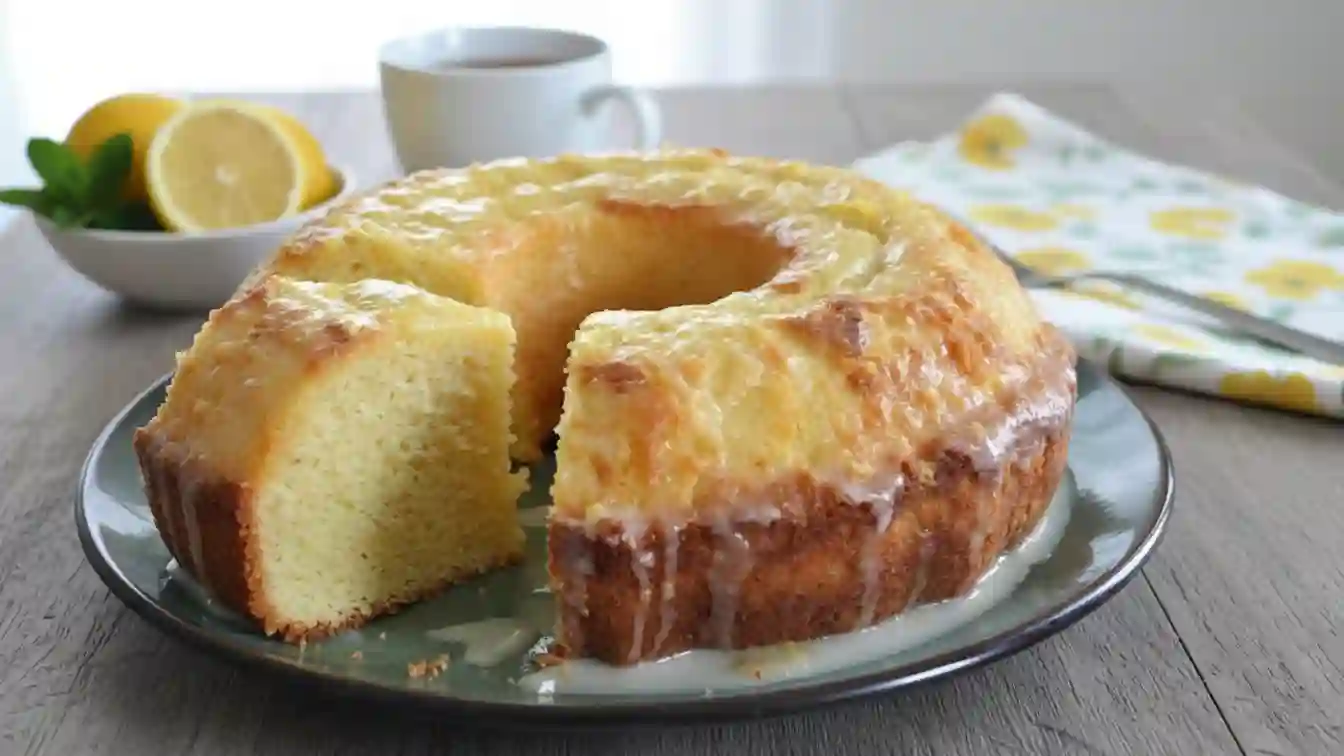
The Ultimate Lady Bird Johnson’s Lemon Cake Recipe: A Taste of White House History
There is a specific kind of magic that happens in a kitchen when the scent of fresh lemon zest hits warm butter. It’s bright, nostalgic, and immediately welcoming. Lady Bird Johnson’s Lemon Cake is exactly that feeling captured in a Bundt pan. Originally a favorite of the 36th President and a staple at the LBJ Ranch, this cake isn’t your typical airy sponge. It is a rich, golden, and deeply tender pound cake that relies on an unusual secret: eight egg yolks.
When you pull this cake from the oven, the crust is slightly crisp and golden, while the interior remains incredibly moist. It’s the kind of recipe that feels like a warm hug from a simpler era, offering a perfect balance of citrus tang and buttery sweetness.
Why You’ll Love This
Unmatched Texture: Using only egg yolks creates a dense, velvety crumb that melts in your mouth far more than a standard whole-egg cake.
Simple Elegance: It looks sophisticated in a Bundt pan but requires zero complicated decorating skills.
A Conversation Starter: Sharing a piece of American culinary history makes any afternoon tea or dinner party feel a bit more significant.
Bright Citrus Punch: With fresh zest, juice, and a sharp glaze, it’s a lemon lover’s dream.
The Skeptic’s Favorite Slice
I remember serving this to a friend who claims to “not be a cake person” because they find most desserts too dry or overly sugary. They watched skeptically as I drizzled the buttermilk lemon glaze over the warm, golden ridges. After one bite, the room went quiet. The richness of the egg yolks won them over instantly—it wasn’t just “sweet,” it was savory, bright, and substantial. By the end of the night, they were asking for the recipe to make for their own family’s Sunday brunch.
What Makes It Special
The Golden Yolks: The eight egg yolks give the cake its signature sunset-yellow hue and a rich, custard-like depth.
Tripled-Sifted Flour: Sifting the dry ingredients three times ensures that even with a dense batter, the cake maintains a delicate, professional finish.
Fresh Lemon Rind: Using freshly grated zest provides essential oils that bottled juice simply can’t replicate.
The Buttermilk Glaze: The addition of a tiny bit of buttermilk to the glaze adds a creamy tang that cuts through the sugar beautifully.
Making It Happen
To begin, you’ll want to preheat your oven to 325°F. This lower temperature is key to ensuring the dense batter cooks evenly without burning the edges. Start by creaming your softened butter and sugar until the mixture is pale and fluffy—don’t rush this part, as it builds the air needed for the cake to rise.
In a separate bowl, beat those eight egg yolks until they are light and “lemon-colored.” Fold them into your butter mixture until smooth. Now comes the traditional part: sifting your flour, baking powder, and salt three times. It might feel repetitive, but it’s the secret to that iconic texture.
Incorporate the dry ingredients into the butter mixture in thirds, alternating with the milk. After each addition, give it a thorough beat. Finally, stir in the vanilla, lemon rind, and lemon juice, and beat the entire batter for a full two minutes. Pour it into a well-greased Bundt pan and bake for about an hour. The most important rule? Once it’s out, let it cool for exactly 10 minutes before inverting it onto your platter.
You Must Know
Room Temperature Matters: Ensure your eggs and milk are at room temperature so the batter doesn’t curdle when mixed.
The 10-Minute Rule: Don’t let the cake sit in the pan too long, or the sugar will “glue” it to the sides. Ten minutes is the sweet spot.
Zest Before You Juice: It is much easier to grate the rind of a firm, whole lemon than a squeezed-out half.
Serving Ideas
This cake is a star on its own, but it pairs beautifully with a dollop of unsweetened whipped cream or a handful of macerated blueberries. For a drink pairing, try a hot Earl Grey tea—the bergamot in the tea complements the lemon beautifully. If you’re serving it for dessert, a chilled glass of Prosecco or a late-harvest Riesling adds a lovely celebratory touch.
Make It Different
The Floral Twist: Add a teaspoon of dried culinary lavender to the batter for a “Lemon Lavender” version.
Dairy-Free: You can substitute the milk with almond milk and use a high-quality vegan butter stick, though the richness may vary slightly.
The Berry Burst: Gently fold half a cup of floured raspberries into the batter just before baking for pops of color and tartness.
Storage and Reheating
Lady Bird Johnson’s Lemon Cake actually tastes even better the next day as the lemon oils settle. Store it in an airtight container at room temperature for up to three days. If you want to keep it longer, wrap slices individually in plastic wrap and freeze. To reheat, just 10 seconds in the microwave will bring back that “just-baked” softness and melt the glaze slightly.
Success Tips
For the best results, use a heavy-duty Nordic Ware-style Bundt pan, which distributes heat more evenly. Also, when greasing your pan, use a baking spray that contains flour, or use melted shortening and a dusting of flour to ensure every nook and cranny of the design releases perfectly.
FAQ
Can I use whole eggs instead of just yolks?
The yolks are what make this recipe unique and rich. Using whole eggs will change the texture into a standard, fluffier sponge cake and you will lose that signature “melt-in-your-mouth” quality.
Why did my cake stick to the Bundt pan?
This usually happens if the pan wasn’t greased thoroughly or if the cake cooled for too long in the pan. Try using a pastry brush to get grease into every detail of the mold.
Can I make this in a loaf pan?
Yes, but you will likely need two loaf pans and will need to adjust the baking time to approximately 45–50 minutes.
My glaze is too thin, how do I fix it?
Add powdered sugar one tablespoon at a time until it reaches your desired thickness. It should be thick enough to slowly drip down the sides rather than running off.
Can I use bottled lemon juice?
In a pinch, yes, but for a recipe where lemon is the main flavor, fresh juice makes a world of difference in the brightness of the cake.
Recipe Card
Prep time: 20 minutes
Cook time: 60 minutes
Total time: 1 hour 20 minutes
Servings: 12 slices
Category: Dessert
Difficulty: Medium
Cuisine: American
Yield: 1 Bundt Cake
Equipment
Bundt Pan
Electric Hand Mixer or Stand Mixer
Sifter
Mixing Bowls
Ingredients
3/4 Cup Softened Butter
1 1/4 Cups Sugar
8 Egg Yolks
2 1/2 Cups Flour
3 Teaspoons Baking Powder
1/4 Teaspoon Salt
3/4 Cup Milk
1 Teaspoon Vanilla Extract
2 Teaspoons Lemon Juice
1 Teaspoon Grated Lemon Rind
Lemon Glaze
2 Cups Powdered Sugar
1-2 Tablespoons Fresh Lemon Juice
1-2 Teaspoons Buttermilk
Zest of one fresh lemon
Instructions
Preheat your oven to 325°F. Grease and flour a standard Bundt pan thoroughly.
Cream the butter and sugar in a large bowl until light and fluffy.
In a separate bowl, beat the egg yolks until they reach a light, lemon-yellow color. Blend these into the creamed butter mixture.
Sift together the flour, baking powder, and salt. Repeat the sifting process two more times (three times total).
Add the sifted dry ingredients to the creamed mixture in three parts, alternating with the milk.
Beat the batter thoroughly after each addition to ensure a smooth consistency.
Fold in the vanilla extract, lemon rind, and lemon juice. Beat the final batter for 2 minutes.
Pour the batter into the prepared Bundt pan. Bake for 1 hour, or until a cake tester inserted into the center comes out clean.
Remove from the oven and let the cake cool in the pan for 10 minutes.
Invert the cake onto a serving platter.
Whisk together the glaze ingredients and drizzle over the cake while it is still slightly warm.
Nutrition
This cake is a rich, traditional dessert. While specific calories depend on the brand of ingredients used, it is high in healthy fats from the egg yolks and butter—perfect for an indulgent treat.
