
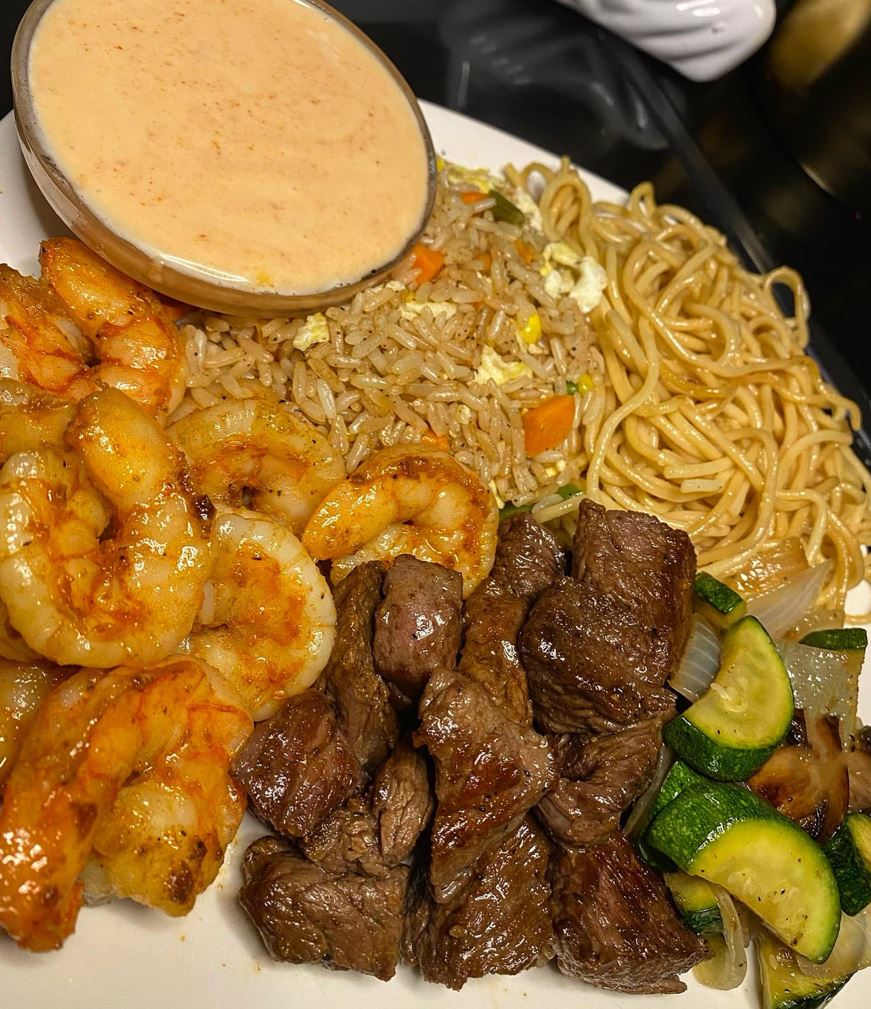
Better than Takeout: The Ultimate Hibachi Shrimp and Steak Recipe
There is a specific kind of magic that happens at a Japanese steakhouse. It is the sound of the metal spatula hitting the flat-top grill, the sudden bloom of steam as soy sauce hits the heat, and that irresistible aroma of toasted sesame oil and garlic wafting through the air. For a long time, I thought that “hibachi flavor” was a professional secret I couldn’t replicate in my own kitchen. I was wrong.
This Hibachi Shrimp and Steak Recipe is my love letter to those weekend dinners out, recreated for a cozy weeknight at home. It features tender, seared sirloin and succulent, buttery shrimp, all brought together with a signature homemade Yum Yum sauce that is so much better than the bottled stuff. It’s a meal that feels like an event, even if you’re just wearing pajamas at your kitchen island.
Why You’ll Love This
Better-than-Restaurant Quality: You get that high-end sear and depth of flavor without the steep bill or the long wait for a table.
Complete Customization: You control the salt, the spice, and the “doneness” of your steak, ensuring every bite is exactly how you like it.
The Ultimate Meal Prep: This recipe makes for incredible leftovers; the flavors actually deepen as they sit, making tomorrow’s lunch something to look forward to.
Simple Ingredients, Bold Results: Despite the complex flavor profile, most of these ingredients are likely already in your pantry or easily found at any local grocery store.
The Picky Eater’s Surprise
I first shared this dish with my brother-in-law, a man who famously considers “seasoning” to be a light dusting of salt and nothing more. He has always been skeptical of “fusion” or anything that involves a sauce he can’t identify. I watched him tentatively dip a piece of the golden-brown steak into the creamy Yum Yum sauce. He didn’t say a word for five minutes—he just kept eating. Eventually, he looked up and asked if I had ordered it from the hibachi place down the street. When I told him I made it in a single skillet, he asked for the recipe on the spot. If it can win him over, it can win over anyone.
What Makes It Special
Cold White Rice: Using day-old, chilled rice is the secret to that perfect fried rice texture. It prevents the grains from turning into a mushy clump and allows them to get slightly crispy in the pan.
The Homemade Yum Yum Sauce: A blend of creamy mayo, tomato paste, and a hint of cayenne creates a balanced, tangy, and slightly sweet sauce that ties the surf and turf together.
Toasted Sesame Oil: This provides that deep, nutty “umami” base that defines authentic hibachi cooking.
Fresh Zucchini and Mushrooms: These vegetables soak up the pan drippings and soy sauce, becoming tender-crisp and incredibly savory.
Making It Happen
The process starts with the sauce, as it needs a little time in the refrigerator for the flavors to marry. You’ll whisk together the mayo, garlic powder, and spices, adding just enough water to get that perfect, drizzly consistency.
Next, the focus shifts to the protein. You’ll want your skillet or wok very hot. Season your cubed sirloin and large shrimp generously. When the steak hits the oil, it should sizzle immediately. Sear the beef until it develops a beautiful brown crust, then finish it with a splash of teriyaki and sesame oil to glaze the meat. Follow the same process for the shrimp; they only need a minute or two until they turn opaque and pink.
Once the proteins are resting, the vegetables go in. The onions, mushrooms, and zucchini hit the hot pan, picking up all those flavorful browned bits left behind by the steak. Finally, you’ll toss in the cold rice. This is where the magic happens: as you scramble the egg into the rice and fold in the soy sauce, the kitchen starts to smell exactly like your favorite steakhouse. Mix everything back together, and you’re ready to serve.
You Must Know
Prep is Everything: Hibachi is a fast-paced style of cooking. Have all your vegetables chopped and your sauces measured out before you turn on the stove.
High Heat is Key: To get that “grilled” flavor, you need your pan to be hot. Use an oil with a high smoke point, like canola or grapeseed oil.
Don’t Overcrowd the Pan: If you put too much in the skillet at once, the food will steam instead of sear. Cook in batches if necessary.
The Rice Rule: If you don’t have leftover rice, cook a fresh batch and spread it out on a baking sheet to cool in the freezer for 15 minutes before using.
Serving Ideas
This dish is a complete meal on its own, but it pairs beautifully with a light ginger salad (iceberg lettuce with a carrot-ginger dressing).
For drinks, a cold Japanese lager or a crisp sauvignon blanc cuts through the richness of the Yum Yum sauce perfectly. If you prefer non-alcoholic options, a hot green tea or an iced hibiscus tea provides a refreshing contrast to the savory soy and garlic notes.w
Make It Different
Swap the Protein: Not a fan of steak? Use boneless, skinless chicken thighs for a juicy alternative.
Go Low-Carb: Replace the white rice with cauliflower rice. Just be sure to sauté the cauliflower quickly so it doesn’t get soggy.
Spice It Up: Add extra Sriracha to the Yum Yum sauce or toss some red pepper flakes in with the vegetables for an extra kick.
Veggie Loaded: Add broccoli florets, shredded carrots, or snap peas to increase the nutritional profile.
Storage and Reheating
Store any leftovers in an airtight container in the refrigerator for up to three days.
When reheating, the microwave can make shrimp a bit rubbery. For the best results, toss everything back into a lightly oiled skillet over medium heat for 3-5 minutes. This helps the rice regain its texture and keeps the steak tender. If you must use a microwave, cover the dish with a damp paper towel to keep the moisture in.
Success Tips
Pat the Protein Dry: Before seasoning, use a paper towel to pat the steak and shrimp dry. Moisture is the enemy of a good sear.
Use Kosher Salt: The larger grains of kosher salt provide better coverage and a more controlled seasoning than fine table salt.
The Butter Finish: For an extra authentic touch, toss a half-tablespoon of unsalted butter into the pan during the last 30 seconds of cooking the steak and shrimp.
Frequently Asked Questions
Can I use brown rice instead of white?
Yes, you can use brown rice, though the texture will be a bit chewier and nuttier. Make sure it is thoroughly chilled before frying.
What if I don’t have a wok?
A large cast-iron skillet or any heavy-bottomed non-stick pan will work perfectly. The goal is even heat distribution.
Is there a substitute for tomato paste in the sauce?
In a pinch, you can use ketchup, but you should reduce the amount of water you add, as ketchup is thinner than paste.
Can I make this recipe gluten-free?
Absolutely. Simply swap the soy sauce and teriyaki sauce for tamari or coconut aminos.
How do I know when the shrimp is done?
Shrimp cooks very quickly. Look for them to take on a “C” shape and turn from translucent to a matte pinkish-white. If they curl into a tight “O,” they are likely overcooked.
Recipe Card
Prep time: 15 minutes
Cook time: 15 minutes
Total time: 30 minutes
Servings: 4
Category: Main Course
Difficulty: Easy
Cuisine: Japanese-American Fusion
Yield: 4 generous bowls
Equipment: Large skillet or wok, small mixing bowl, spatula.
Ingredients
For the Yum Yum Sauce
1 1/2 Cup Mayonnaise
1 Teaspoon Garlic powder
1/2 Teaspoon Paprika
1/2 Teaspoon Sriracha
1/2 Teaspoon Cayenne pepper
2-3 Tablespoons Water, as needed
1/2- 1 Tablespoon Tomato paste
For the Hibachi
2 Cups Cooked white rice, cold
2-3 Tablespoons Sesame oil, as needed
2-3 Tablespoons Soy sauce, as needed
1 Tablespoon Teriyaki sauce
Kosher salt and pepper to taste
Garlic powder, as needed
Onion powder, as needed
Paprika, as needed
1/2 Cup Yellow onion, chopped
1/2 Cup Mushrooms, sliced
1 Large Zucchini, sliced into sticks
1 lb Sirloin steak, cubed
1 lb Large shrimp, peeled and deveined
1 Egg
Canola oil
Instructions
Prepare the Sauce: In a small bowl, whisk together the mayonnaise, garlic powder, paprika, Sriracha, cayenne, and tomato paste. Add water one tablespoon at a time until the sauce is smooth and pourable. Place it in the refrigerator to chill while you cook.
Season the Proteins: Pat the cubed steak and shrimp dry. Season them both evenly with kosher salt, black pepper, garlic powder, onion powder, and a dusting of paprika.
Sear the Steak: Heat a drizzle of canola oil in your skillet over medium-high heat. Once shimmering, add the steak. Brown on all sides for 3-4 minutes. Just before removing, add a splash of teriyaki sauce and sesame oil. Move the steak to a plate and cover loosely with foil.
Cook the Shrimp: Add a bit more oil to the same pan. Add the shrimp and cook for about 1-2 minutes per side until pink and opaque. Add another splash of teriyaki and sesame oil. Remove and set aside with the steak.
Sauté the Vegetables: Add more oil if the pan looks dry. Toss in the zucchini, mushrooms, and onions. Sauté for about 3 minutes until they begin to soften and brown at the edges. You can move these to the side of the pan or remove them entirely to make room for the rice.
Fry the Rice: Add the cold rice to the pan along with the soy sauce and a final drizzle of sesame oil. Create a small well in the center of the rice, crack the egg into it, and scramble it lightly before folding it into the rice.
Combine and Serve: Add the steak, shrimp, and veggies back into the pan with the rice. Toss everything together for one minute to ensure it is piping hot. Serve in large bowls with a generous drizzle of the chilled Yum Yum sauce.
